Tag: Gut Health

  • Microbiome and Health

    While in Romania, I bought this amazing book: “Microbiomul: Sănătatea Începe în Intestin” by Prof. Dr. Maria Rescigno, in a Romanian translation of the original Italian book “Microbiota Geniale: Curare l’intestino per guarire la mente” (2023). I find the content very well explained to laypeople. The book is a fountain of new information that should interest all of us. The gut microbiome is considered a new organ that stays at the basis of human health. It is known that about 90% of all diseases start from gut microbiome dysbiosis. This book is available in English

    The author, Dr. Maria Rescigno, PhD, a renowned biologist and researcher at Humanitas University, is recognized as one of the world’s leading experts on the microbiome. She has published over 200 papers in top journals like *Science* and *Nature*, and her groundbreaking discoveries include the gut vascular barrier (GVB) in 2015 and the plexal vascular barrier (PVB) in the brain in 2021. The book explores the intricate connections between the gut microbiome, the immune system, and the brain, emphasizing how modulating the microbiome can prevent and treat various health issues, particularly neurological and mood disorders.

    The central thesis is that health begins in the gut, where a rich population of microorganisms (the microbiome) aids digestion, communicates with the immune and nervous systems, and influences overall well-being. Rescigno highlights the bidirectional gut-brain axis, regulated by the microbiome, and draws from recent research—including her own—to show how imbalances (dysbiosis) in the gut can contribute to conditions like anxiety, depression, Alzheimer’s, Parkinson’s, autism, and eating disorders. The book combines scientific rigor with accessible explanations, offering practical strategies for microbiome modulation.

    Illustration of the gut brain axis in the human superorganism
    Illustration of the gut-brain axis in the human superorganism

    Chapter 1: A Brief Excursion into the World of the Microbiome
    This chapter introduces the microbiome as an “additional organ” composed of bacteria, viruses, fungi, and other microbes inhabiting our mucous membranes, particularly the gut. Rescigno explains its evolution from being called “bacterial flora” to “microbiome,” detailing its roles in metabolism, immune modulation, and communication with the body. She describes the microbiome’s diversity, likening the gut to “guest rooms” or “shores” where microbes interact with host cells. The chapter sets the stage for understanding how this microbial world impacts health beyond digestion.

    Chapter 2: What Are Barriers and What Role Do They Play?
    Rescigno delves into protective barriers in the body, focusing on the intestinal vascular barrier (GVB), which she discovered, and its similarity to the blood-brain barrier. She discusses intestinal permeability and leaky gut syndrome (LGS), where breaches allow harmful substances to enter the bloodstream. The chapter also covers the two brain barriers: the blood-brain barrier and the newly identified plexal vascular barrier (PVB) in the choroid plexus, which controls substances entering cerebrospinal fluid. Drawing on experiments, including those by researcher Michal Schwartz, Rescigno explains how these barriers open and close in response to gut-derived stimuli, forming a vascular gut-brain axis.

    Chapter 3: The Two Brains
    Here, the author explores the “second brain”—the enteric nervous system in the gut—which engages in constant dialogue with the central nervous system. Communication channels include the nervous system, vagus nerve, immune pathways, and hormonal signals. Rescigno details how microbes produce neurotransmitters and metabolites that influence mood control centers in the brain, acting as key players in this bidirectional exchange. She emphasizes that gut microbes can “write” messages that affect emotions and behavior.

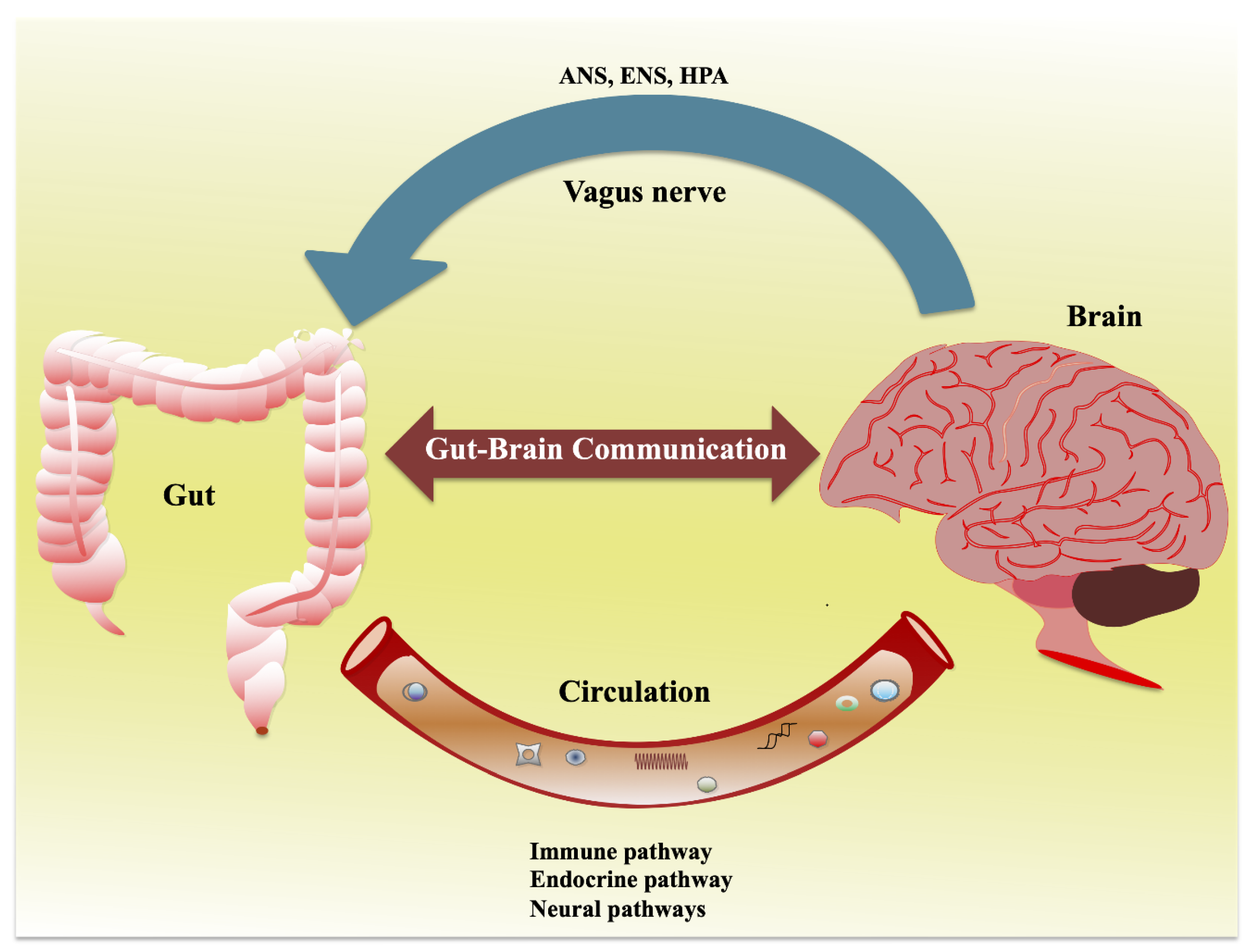
    Gut Brain Axis and Role of Probiotics prebiotics in neurological health
    The Gut-Brain Axis and the Role of Probiotics and Prebiotics in Modulating Neurological Health

    Chapter 4: Neurological Diseases and the Microbiome
    This extensive chapter links microbiome dysbiosis to various conditions. It questions causality (“chicken or egg?”) and examines microbiome changes in aging, Alzheimer’s (involving microglial cells), Parkinson’s (gram-positive/negative bacteria), sleep issues (melatonin), ALS, multiple sclerosis, IBS, anxiety (including sepsis-related), depression (major and bipolar), schizophrenia, psychosis, and childhood/adolescent disorders like autism (role of bifidobacteria) and drug-related psychosis risks. Beyond the gut-brain axis, it touches on periodontitis and neurodegenerative links.

    Chapter 5: The Microbiome and…
    Focusing on eating behaviors, this chapter discusses satiety, eating disorders like anorexia, and how diet influences social behavior via the microbiome. Rescigno presents evidence from studies showing microbiome composition differs in patients with nutritional disorders, and maternal nutrition can shape offspring behavior through microbial mechanisms.

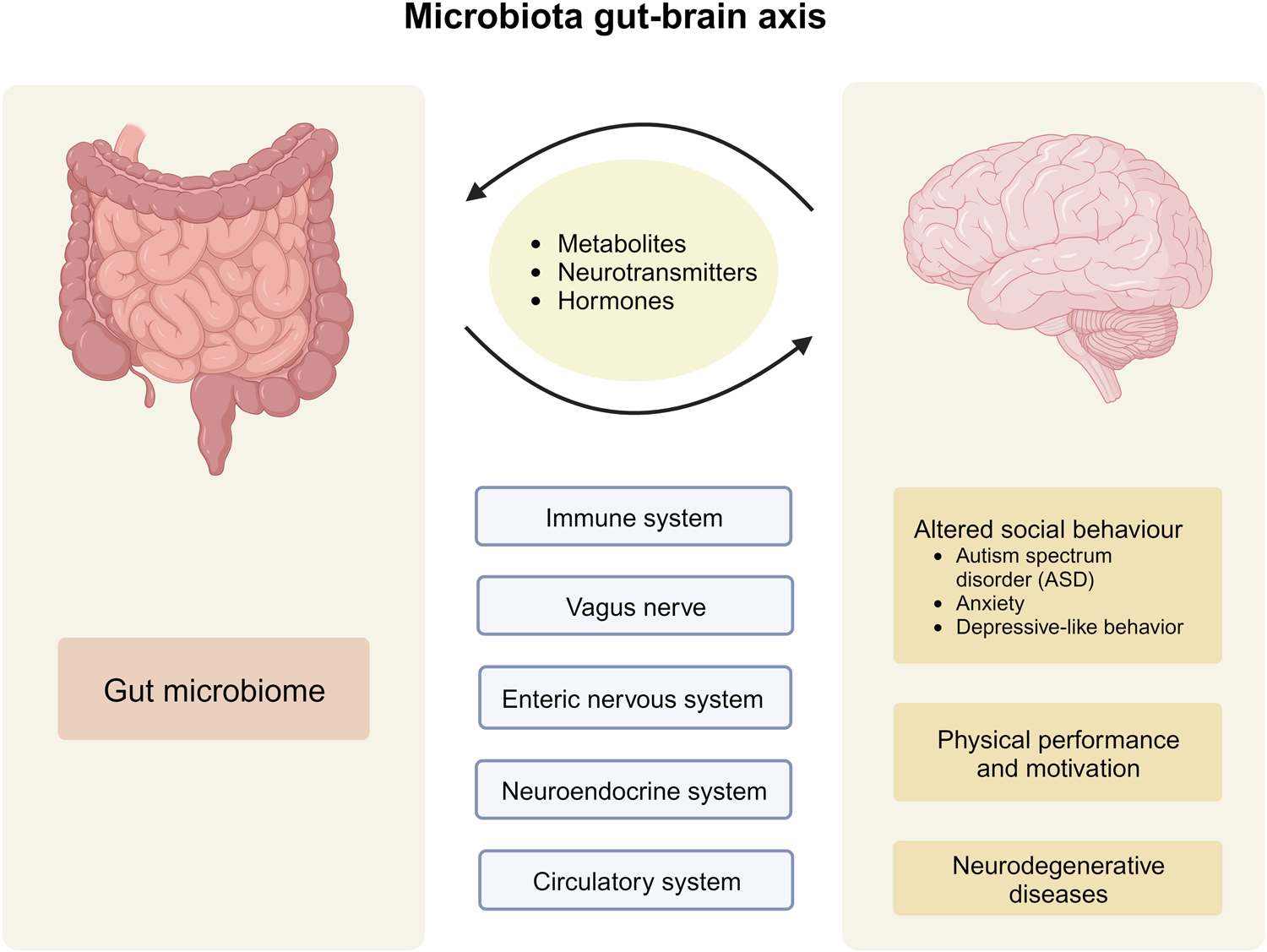
    Microbiota gut brain axis applications in treating neurodegenerative diseases
    Microbiota gut-brain axis applications in treating neurodegenerative diseases

    Chapter 6: Prevention and Treatment of Neurological Diseases Through Approaches That Modulate the Microbiome
    Rescigno shifts to actionable strategies, covering nutrition’s protective role against neurodegeneration. She highlights plant-based antioxidants like polyphenols, flavonols for Parkinson’s, Korean red ginseng for Alzheimer’s, ketogenic diets for IBS, olive/camellia oils, and omega-3s. The chapter reviews pre-, pro-, and postbiotics, clinical trials (e.g., Lacticaseibacillus rhamnosus for mood in overweight patients, probiotic mixes for depression and autism), fecal microbiota transplants, bacterial metabolites, and fermented foods like kimchi. Preclinical models and in vitro studies support these interventions.

    Chapter 7: Future Perspectives
    The book addresses limitations in microbiome analysis and offers practical advice: avoid leaky gut and high animal fat diets; consume fiber-rich foods, healthy fats, Mediterranean diet staples (legumes + cereals); prefer fermented foods; consider in vitro fermentation tests and postbiotics; try a 15-day grain-free test; and incorporate daily exercise. Rescigno discusses open research challenges and potential advancements in biomedical applications.

    Conclusions
    Dr Maria Rescigno concludes that modulating the microbiome through lifestyle and targeted interventions can preserve intestinal barriers, balance the gut-brain axis, and mitigate neurological risks, empowering readers to take control of their health.

    **Citation:** Rescigno, Maria. *Microbiomul: Sănătatea Începe în Intestin*. Translated by Donna Oprea, Philobia, 2024. (Original: *Microbiota Geniale: Curare l’intestino per guarire la mente*. Vallardi, 2023.)

  • Prebiotics and Probiotics

    Prebiotics vs. Probiotics: Key Differences and Benefits
    Both prebiotics and probiotics support gut health in complementary ways:
    Probiotics introduce live beneficial bacteria, while prebiotics nourish existing ones.
    Often combined as synbiotics for enhanced effects, they promote microbiome balance, which is linked to digestion, immunity, and more.
    Below is a comparison based on recent expert guidance.
     

    Aspect
    Prebiotics
    Probiotics
    Definition
    Non-digestible fibers (e.g., inulin, oligosaccharides) that feed beneficial gut bacteria, acting like “fertilizer” for the microbiome.
    Live microorganisms (e.g., Lactobacillus, Bifidobacterium) that provide health benefits when consumed in sufficient amounts.
    How They Work
    Resist digestion in the upper gut, reaching the colon to selectively stimulate growth of good bacteria, helping them outcompete harmful ones.
    Colonize the gut temporarily, producing beneficial compounds like SCFAs and modulating immune responses.
    Food Sources
    High-fiber plants: onions, garlic, leeks, asparagus, bananas (especially green), apples, oats, barley, chickpeas, flaxseeds. Also in supplements.
    Fermented foods: yogurt, kefir, sauerkraut, kimchi, miso, kombucha, tempeh. Also in supplements and fortified foods.
    Health Benefits
    Improve digestion and regularity; reduce inflammation; support immune function; may aid weight management and blood sugar control by boosting SCFA production.
    Enhance digestion (e.g., reduce IBS symptoms); strengthen immunity; decrease antibiotic-associated diarrhea; support mental health via gut-brain axis.
    When to Choose
    Ideal for individuals with a fiber-deficient diet;
    Best for long-term microbiome support. Start low to avoid bloating.
    Useful after antibiotics or for acute gut issues; choose strains targeted to needs (e.g., Lactobacillus for diarrhea).
    Potential Drawbacks
    May cause gas/bloating initially in high doses; not suitable for everyone (e.g., FODMAP-sensitive).
    Variable efficacy by strain; some may cause mild side effects like gas; shelf life matters for live cultures.


    For optimal results, incorporate both through a diverse, plant-rich diet.
    Aim for 25–30g fiber daily for prebiotics alongside probiotic foods.
    Consult a healthcare provider for supplements, especially with conditions like IBS.


    Dietary Sources of Inulin and Fructo-Oligosaccharides (FOS)
     

    Inulin and fructo-oligosaccharides (FOS) are types of prebiotic fibers naturally occurring in many plant-based foods, particularly those that store energy as fructans.
    These compounds are found in varying concentrations (typically measured in grams per 100g of food) and can also be added to processed foods like cereals, breads, and snacks as ingredients labeled “inulin” or “FOS.” You should get them from the real foods. Avoid processed foods!
    Below is a table summarizing key natural dietary sources, based on reliable nutritional data.
    Amounts are approximate and can vary by preparation (e.g., raw vs. cooked).


    Food Source
    Type (Inulin/FOS/Both)
    Approximate Amount per 100g
    Notes
    Chicory Root
    Inulin
    35.7–47.6 g
    Highest natural source; often used in supplements or coffee substitutes.
    Jerusalem Artichoke
    Inulin
    16–20 g
    Tubers, also called sunchokes, are high in both inulin and FOS.
    Garlic
    Both
    9–16 g
    Raw cloves provide the most; supports gut health via prebiotic effects.
    Onions
    Both
    1.1–7.5 g (raw pulp)
    Rich in FOS, red onions and shallots are particularly high.
    Leeks
    Inulin
    3–10 g
    Bulbs and leaves have a milder flavor than onions.
    Asparagus
    Inulin
    2–3 g (raw)
    Spears: Cooking may reduce levels slightly.
    Dandelion Greens
    Inulin
    9.6 g (raw)
    Leaves; bitter greens are often used in salads.
    Bananas
    Inulin
    0.3–0.7 g (raw)
    Slightly unripe (green) bananas are best.
    Wheat
    Both
    1–3.8 g
    Whole grains; bran is richest.
    Burdock Root
    Both
    High (not quantified)
    Root vegetable; used in teas and stir-fries.
    Lentils
    FOS
    Moderate (not quantified)
    Legumes also provide oligosaccharides.
    Red Cabbage
    FOS
    Moderate (not quantified)
    Fermented forms (e.g., sauerkraut) enhance benefits.


    To maximize intake, aim for a variety of these foods daily (e.g., 5–10g total prebiotics).
    Note that high doses may cause bloating in sensitive individuals, so start low.

    Source Grok X AI

    Read more about the importance of our GUT MICROBIOME


  • Dietary Sources of Short-Chain Fatty Acids (SCFAs)

    You may wonder what the dietary sources of short-chain fatty acids (SCFAs) are, since they are so important in promoting overall health and longevity.
    Short-chain fatty acids (SCFAs)—primarily acetate, propionate, and butyrate—are mostly produced endogenously by gut bacteria through the process of dietary fiber fermentation.
    However, small amounts are available directly from certain foods.
    Direct dietary sources provide limited quantities, often absorbed in the upper gut rather than reaching the colon for full benefits, so combining them with fiber-rich foods is ideal for optimal SCFA levels.
     

    Below, sources are categorized as direct (naturally containing SCFAs) or indirect (fiber/prebiotic foods that promote SCFA production via fermentation). 

    Direct Sources (Foods Naturally Containing SCFAs)
    These include dairy products (from milk fats) and fermented items (where bacteria produce SCFAs during processing).
    Amounts are modest (e.g., butter has ~3-4% butyrate by fat weight).

    • Dairy Products:
      • Butter and ghee: High in butyrate.
      • Cheese (e.g., hard varieties like Parmesan, pecorino): Contains butyrate and propionate.
      • Full-fat yogurt and milk (cow, goat, sheep): Provide butyrate.
    • Fermented Foods (SCFAs produced during fermentation):
      • Sauerkraut, kimchi, and some pickles: General SCFAs, including butyrate.
      • Kefir: SCFAs via fermentation.
      • Tempeh: Butyrate and other SCFAs.
    • Other:
      • Vinegars: Primarily acetate.
      • Some alcoholic beverages (e.g., certain wines or beers): Acetate.

    Indirect Sources (Fiber-Rich Foods for Gut Production of SCFAs)
    These non-digestible carbs (e.g., resistant starch, inulin, pectins) are fermented by gut microbes to generate SCFAs, making up the bulk of intake (~90-95% of colonic SCFAs).
    Aim for 25-30g fiber daily from a variety of plant sources.

    • Whole Grains and Cereals: Oats, barley, brown rice, whole wheat, rye. Brown rice and whole wheat pasta (cooked and cooled for resistant starch)
    • Legumes and Pulses: Beans (e.g., chickpeas, black beans), lentils, peas.
    • Fruits: Apples, bananas (especially green/unripe), berries (e.g., raspberries), pears, apricots, kiwi.
    • Vegetables: Asparagus, broccoli, carrots, onions, garlic, leafy greens, potatoes (cooked and cooled for resistant starch).
    • Nuts and Seeds: Flaxseeds, chia seeds.
    • Other:
      – Resistant starches like cooled rice or cornmeal;
      – Polyphenol-rich items (e.g., green tea, cocoa, dark chocolate, dark-skinned fruits, and dark leafy greens) that support SCFA-producing bacteria.

    For maximum benefits, focus on indirect sources through a varied, plant-heavy diet, as they yield the most SCFAs in the colon. EAT THE RAINBOW!
    Supplements exist but are less effective than food-based approaches.

    Sample Daily Meal Plan for Promoting SCFAs

    To support gut health and SCFA production, aim for 30–40g of dietary fiber daily from diverse plant sources like whole grains, legumes, fruits, and vegetables.
    This sample plan provides approximately 37g of fiber and incorporates SCFA-promoting foods (e.g., brown rice for resistant starch, fruits for pectins, and vegetables for oligosaccharides).
    It’s balanced for ~2,000 calories; adjust portions as needed. Focus on gradual increases to avoid digestive discomfort.

    Breakfast (9g fiber)

    • Muesli (whole grain oats with nuts and seeds) served in milk with a drizzle of honey.
    • SCFA boost: Oats’ beta-glucan ferments into butyrate.

    Morning Snack (4g fiber)

    • 1 medium apple.
    • SCFA boost: Apple’s pectin supports propionate production.

    Lunch (10g fiber)

    • Beef curry (lean beef with onions, tomatoes, and turmeric, curry spices) served with brown rice.
    • Side salad of mixed greens with onions and tomatoes, avocado, and a lemon vinaigrette (olive oil 6 tbsp, mustard 1 tsp, lemon juice 4 tsp, lemon zest 1 tsp, honey 1 tsp, salt, pepper ).
    • SCFA boost: Brown rice’s resistant starch yields acetate and butyrate.

    Afternoon Snack (2g fiber)

    • Plain low-fat yogurt with nuts
    • SCFA boost: Fermented dairy provides minor direct SCFAs and feeds beneficial bacteria.

    Dinner (10g fiber)

    • Chicken risotto made with barley, mixed vegetables (carrots, peas, zucchini), and herbs.
    • SCFA boost: Vegetables and grains promote diverse fermentation for all major SCFAs.

    Evening Snack (2g fiber)

    • A handful of berries (e.g., strawberries or blueberries).
    • SCFA boost: Berries’ fibers enhance microbial diversity.

    Total Estimated Fiber: 37g

    Tips: Drink plenty of water (8+ cups/day) to aid digestion.
    This plan draws from evidence showing high-fiber diets elevate plasma SCFAs like acetate and propionate within days.
    For variety, swap in other sources like lentils or kiwi from the list above.

    Consult a doctor for personalized advice, especially with gut conditions.
    Read more about the critical role of SHORT-CHAIN FATTY ACIDS

    Read more about the role of our GUT MICROBIOME

    Sources

    1. Health Benefits and Side Effects of Short-Chain Fatty Acids – PMC: https://pmc.ncbi.nlm.nih.gov/articles/PMC9498509/
    2. Short-Chain Fatty Acids (SCFAs): Dietary Fiber and Gut Health: https://www.verywellhealth.com/short-chain-fatty-acids-5219806
    3. What to Know About Short Chain Fatty Acids in Food – WebMD: https://www.webmd.com/digestive-disorders/what-to-know-short-chain-fatty-acids
    4. Short chain fatty acids: the messengers from down below – PMC: https://pmc.ncbi.nlm.nih.gov/articles/PMC10359501/
    5. Dietary short-chain fatty acid intake improves the hepatic metabolic…: https://www.nature.com/articles/s41598-019-53242-x
    6. How Short-Chain Fatty Acids Affect Health and Weight – Healthline: https://www.healthline.com/nutrition/short-chain-fatty-acids-101
    7. Intestinal Short Chain Fatty Acids and their Link with Diet…: https://www.frontiersin.org/journals/microbiology/articles/10.3389/fmicb.2016.00185/full
    8. What Are Short-Chain Fatty Acids and What Do They Do? – ZOE: https://zoe.com/learn/what-are-short-chain-fatty-acids
    9. Fiber – Physicians Committee for Responsible Medicine: https://www.pcrm.org/good-nutrition/nutrition-information/fiber
    10. Dietary Fiber Intake and Gut Microbiota in Human Health – PMC: https://pmc.ncbi.nlm.nih.gov/articles/PMC9787832/
    11. High-Fiber, Whole-Food Dietary Intervention Alters the Human Gut…: https://journals.asm.org/doi/10.1128/msystems.00115-21
    12. Short-Chain Fatty Acids (SCFAs): Dietary Fiber and Gut Health: https://www.verywellhealth.com/short-chain-fatty-acids-5219806
    13. High-Fiber Diet and Acetate Supplementation Change the Gut…: https://www.ahajournals.org/doi/10.1161/circulationaha.116.024545
    14. Five Days of Eating on the Fiber Fueled Diet – Reader’s Digest: https://layerorigin.com/blogs/blog-layer-origin-nutrition/five-days-of-eating-on-the-fiber-fueled-diet
    15. 7 Nutrients for a Gut-Friendly Meal Plan – Nikki Yelton RD: https://nikkiyeltonrd.com/gut-friendly-meal-plan/
    16. Meal plan and daily fibre content of intervention…: https://www.researchgate.net/figure/Meal-plan-and-daily-fibre-content-of-intervention-A-Low-fibre-diet-B-high-fibre_tbl1_336909875
    17. A randomized dietary intervention to increase colonic and peripheral…: https://pmc.ncbi.nlm.nih.gov/articles/PMC9630882/
    18. Fiber: Types, Benefits, Recommended Daily Intakes: https://www.medparkhospital.com/en-US/lifestyles/fiber

    Source: Grok X AI

  • What Are Short-Chain Fatty Acids SCFAs

    What are Short-Chain Fatty Acids (SCFAs) and what role do they play in our overall health?
    They play an enormous role in our health, encompassing gut health, metabolism, immunity, cardiovascular health, musculoskeletal health, neurological health, and mental health and wellbeing.
    Short-chain fatty acids (SCFAs), mainly acetate, propionate, and butyrate, are produced by our gut microbiota in the process of fermenting dietary fibers.
    Certain foods. provide small amounts of these amazing SCFAs
    Direct dietary sources provide limited quantities, often absorbed in the upper gut rather than reaching the colon for full benefits, so combining them with fiber-rich foods is ideal for optimal SCFA levels.

    Short-chain fatty acids influence health through G-protein-coupled receptors (e.g., GPR41/43), histone deacetylase (HDAC) inhibition, and systemic signaling.

    Key Health Benefits of SCFAs

    Recent reviews highlight SCFAs’ roles in multiple systems, with emerging evidence from 2024–2025 studies emphasizing therapeutic applications.Gut Health

    SCFAs fortify the intestinal barrier, suppress inflammation, and combat disorders like inflammatory bowel disease (IBD) by modulating Toll-like receptors (TLRs) and NLRP3 inflammasomes.
    Butyrate promotes epithelial repair and mucus production, while acetate and propionate enhance antimicrobial defenses. They also reduce colon cancer risk via apoptosis induction in malignant cells.
    Metabolic Health

    SCFAs improve insulin sensitivity, curb obesity, and alleviate metabolic syndrome by activating AMPK, boosting GLP-1/PYY for appetite control, and enhancing mitochondrial function.
    Propionate and butyrate specifically mitigate hepatic steatosis and dyslipidemia.
    Clinical trials show SCFAs increase energy expenditure and reduce food intake.
    Immune and Antiviral Health

    SCFAs drive anti-inflammatory responses, promoting regulatory T cells (Tregs) and IL-10 while curbing pro-inflammatory cytokines.
    They act as antiviral mediators by enhancing interferon responses and barrier integrity against pathogens.
    In IBD, they inhibit innate immune overactivation.
    Cardiovascular Health

    SCFAs lower cholesterol absorption, reduce atherosclerosis via Treg expansion, and regulate blood pressure through Olfr78 receptor activation.
    Propionate decreases LDL levels and vascular inflammation.
    Neurological and Mental Health Via the gut-brain axis

    SCFAs dampen neuroinflammation, reduce microglial activation, and lower apoptosis in models of Alzheimer’s and depression.
    Supplementation decreases cortical inflammatory markers and improves cognitive outcomes.
    SCFAs are a promising therapy for Parkinson’s, Alzheimer’s Diseases, Dementia, and Multiple Sclerosis.
    Skin and Aging Health

    SCFAs support the gut-skin axis, modulating inflammation to promote barrier function, collagen synthesis, and anti-aging effects.
    They link microbiome health to reduced skin disorders and delayed senescence.
    Cancer Prevention

    SCFAs reverse cancer-linked epigenetic changes, inhibit tumor progression, and boost immunotherapy efficacy by inducing apoptosis and autophagy.
    High-risk individuals may benefit from targeted SCFA administration to prevent epigenetic shifts.
    Other Benefits

    SCFAs exhibit broad antimicrobial effects, protect against bone loss, and enhance muscle maintenance.
    While generally beneficial, optimal intake via fiber-rich diets is recommended to avoid imbalances.
    Read about Dietary sources of Short-Chain Fatty Acids – SCFAs
    Read more about the important role of SHORT-CHAIN FATTY ACIDS

    Source: Grok X AI

  • Sources of Dietary Fibers

    Knowing the sources of dietary fibers that the Gut Microbiome ferments into short-chain fatty acids (SCFAs) can change your life and health.
    Our gut bacteria produce short-chain fatty acids (SCFAs), such as acetate, propionate, and butyrate, through the fermentation of non-digestible carbohydrates, including soluble and fermentable dietary fibers.
    These fibers are found in various plant-based foods and isolates.
    Below is a comprehensive list of key sources, drawn from scientific studies and reviews.
    Note that not all fibers are equally fermentable, but those listed here have been shown to promote SCFA production in human or in vitro models.

    Whole Grains and Cereals (integral grains, non-processed that contain the germ and the bran)

    • Oats (rich in beta-glucan)
    • Barley (including waxy hulless varieties)
    • Brown rice (medium grain)
    • Millet
    • Soft white wheat (whole grain)
    • Corn (whole grain)
    • Oat beta-glucan isolate
    • Rice fiber
    • Wheat bran
    • Corn bran
    • Oat bran
    • Rice bran

    Legumes and Pulses

    • Lentils (whole brown)
    • Peas (including pea fiber)
    • Beans (black beans, lima beans)
    • Soy (including soy fiber)
    • Soybean hulls

    Fruits

    • Apples (including apple fiber)
    • Kiwi (kiwi fiber)
    • Citrus fruits
    • Berries

    Vegetables and Other Plant Sources

    • Carrots
    • Brussels sprouts
    • Cabbage
    • Asparagus
    • Artichokes
    • Cauliflower
    • Potatoes (source of resistant starch) 
    • Sugar beet pulp
    • Bamboo fiber

    Seeds and Nuts

    • Flaxseed (whole brown)
    • Hemp seeds (hemp hearts)
    • Psyllium fiber
    • Nuts (general)

    Specialized or Isolated Fibers

    • Inulin (from chicory root or other sources)
    • Konjac flour (glucomannan-based)
    • Algal beta-glucan isolate
    • Guar gum (plant gum)
    • Resistant starch (from various sources like green bananas or processed grains)

    These sources vary in their SCFA yield; for example, whole grains and inulin often produce high levels of butyrate and acetate, while pulses like lentils promote propionate.
    Consuming a diverse mix enhances microbiome diversity and SCFA production.
    Natural sources of inulin are chicory root and dandelion root.

    Source: Grok X AI

    Read: Dietary Sources of SCFAs

  • Gut Dysbiosis in Alzheimer’s Disease

    Gut dysbiosis, marked by diminished microbial diversity and imbalanced bacterial composition, is a hallmark of Alzheimer’s disease (AD)
    AD often emerges in prodromal stages like mild cognitive impairment (MCI) and contributes to pathogenesis through the microbiota-gut-brain axis.
    AD patients show consistent reductions in short-chain fatty acid (SCFA)-producing taxa and enrichments in pro-inflammatory genera, correlating with amyloid-β (Aβ) plaques, tau hyperphosphorylation, neuroinflammation, and cognitive metrics (e.g., MMSE scores).
    2024–2025 meta-analyses and cohorts reveal geographic and stage-specific variations, with dysbiosis driving “leaky gut,” metabolite dysregulation, and immune activation that exacerbate BBB (blood-brain barrier) permeability and microglial priming.
    This supports a gut-first hypothesis, where dysbiosis precedes and amplifies AD progression, offering targets for early microbiome-based interventions.

    Microbial Alterations in AD
    Meta-analyses indicate inconsistent α-diversity reductions (significant in AD but not always MCI), with β-diversity shifts reflecting compositional changes.
    Key patterns involve depleted anti-inflammatory/SCFA-producers and elevated opportunistic pathogens, with fecal SCFA levels (e.g., butyrate) often decreased by 20–40%.

    Pattern
    Key Taxa Changes
    Correlations & Evidence
    Reduced Diversity & Beneficial Depletion
    ↓ α-diversity (Shannon/Simpson indices in AD); ↓ Firmicutes, Blautia, Roseburia, Faecalibacterium prausnitzii, Lachnospiraceae, Rikenellaceae, Clostridiaceae; ↓ Coprococcus comes, Odoribacter splanchnicus, Roseburia intestinalis (monotonic decline with CDR/GDS-FAST severity)
    Lower SCFAs; associates with amyloid PET (rho=0.35–0.59), GFAP/NFL (rho=0.45–0.59), cognitive decline (MMSE ↓), and NPS/depression; observed in meta-analyses (n=805) and Spanish cohort (n=97).
    Pro-Inflammatory Enrichment
    ↑ Proteobacteria, Bacteroides, Alistipes, Phascolarctobacterium, Escherichia/Shigella, Acidobacteriota; ↑ Bifidobacterium (mixed, stage-dependent); ↑ Porphyromonas gingivalis, Helicobacter pylori
    Increased permeability/inflammation (fecal calprotectin ↑, LPS ↑); links to Aβ/tau pathology, microglial activation; U.S.-specific ↑ Bacteroides/Alistipes vs. ↓ in China; gradient in AD > MCI.
    Other Shifts
    Variable Bacteroidetes/Firmicutes ratio; ↓ Acidaminococcaceae, Ruminiclostridium; geographic heterogeneity (e.g., ↑ Phascolarctobacterium in MCI)
    Disrupts Th17/Treg balance; correlates with APOE ε4, BMI, and GI symptoms; no sig β-diversity in some cohorts.


    Key Mechanisms:
    Dysbiosis fuels AD via bidirectional gut-brain signaling, creating a vicious cycle of inflammation and neurodegeneration.

    • Gut Barrier Disruption and Endotoxemia: Reduced SCFA-producers impair tight junctions (ZO-1/occludin ↓), thinning mucus and enabling LPS/TMAO translocation from Gram-negatives (e.g., Bacteroides, Escherichia). LPS activates TLR4/NF-κB/NLRP3 in periphery and microglia, elevating IL-1β/TNF-α/IL-6, compromising BBB, and seeding Aβ aggregation. Bacterial amyloids cross-seed host Aβ, amplifying plaques.
    • Metabolite Dysregulation: ↓ SCFAs (butyrate/propionate) from depleted Roseburia/Faecalibacterium fails HDAC inhibition and Treg promotion, sustaining M1 microglia and synaptic loss. ↑ TMAO (from choline metabolism) boosts BACE1/Aβ production and vascular inflammation; bile acids disrupt BBB cholesterol homeostasis, fueling tauopathy.
    • Immune and Neuroinflammatory Cascade: Pro-inflammatory taxa skew Th17/Treg (↓ IL-10, ↑ IL-17), promoting monocyte infiltration and astrocytic A1 reactivity. Vagal afferents relay signals, priming microglia via MyD88/TRIF and reducing BDNF/serotonin, linking to hippocampal atrophy.
    • Pathology Propagation: Dysbiosis initiates ENS Aβ/tau misfolding, spreading rostrally; elevated cadaverine/polyamines disrupt signaling, correlating with Braak stages.

    Evidence from Preclinical and Clinical Studies
    2024–2025 research highlights causality via FMT models and multi-omics, with human cohorts (n>1,000) confirming biomarkers.

    Study Type/Source
    Key Findings
    Model/Population
    Outcomes/Implications
    Meta-Analysis (Alzheimers Dementia, Dec 2024)
    Complex dysbiosis-cognition link; reduced beneficial taxa correlate with impaired function.
    11 studies (n=805)
    Dysbiosis as modifiable risk; influences amyloid/inflammation.
    Cohort Characterization (PMC, Sep 2025)
    No sig diversity diff, but SCFA-producer declines with severity; Parabacteroides distasonis ↑ with depression/NPS.
    Spanish elderly (n=97: HC/MCI/AD)
    Mediterranean lifestyle buffers; taxa as cognitive biomarkers.
    Mechanistic Review (PMC, Jun 2025)
    Dysbiosis → leaky gut/LPS → TLR4/NLRP3 → cytokine storm/Aβ cycle; SCFAs/TMAO key mediators.
    AD models/patients
    Targets for anti-inflammatories; FMT reverses in 5xFAD mice.
    Meta-Analysis (Aging, 2024)
    ↓ Firmicutes/Lachnospiraceae in AD spectrum; ↑ Proteobacteria/Phascolarctobacterium; geographic gradients.
    China/U.S. (n=805)
    Stage-specific (AD > MCI); confounders like diet/APOE.
    Narrative Review (Front Neuroscience, 2025)
    ↑ Bacteroides/Alistipes, ↓ Blautia/Roseburia; LPS/cadaverine drive BBB leak/microglial M1.
    Multi-cohort/models
    Gut-first model; probiotics restore SCFAs, slow progression.


    Therapeutic Implications
    Microbiome restoration shows promise for AD, with 2025 trials emphasizing early MCI intervention.

    • FMT/Probiotics: Healthy donor Fecal Transplant (FMT) ↑ SCFAs/diversity, ↓ Aβ/inflammation (UPDRS-like cognitive gains 15–25% in pilots); strains (Bifidobacterium breve, Lactobacillus) via psychobiotics reduce NPS/depression.
    • Prebiotics/Diet: Fiber/polyphenols boost SCFA-producers; Mediterranean diets correlate with slower decline (MMSE +2–4 points).
    • SCFAs/Targeted: Butyrate supplementation (1–2 g/day) inhibits HDAC/NF-κB; anti-LPS/TMAO inhibitors in pipeline.

    Challenges:
    Heterogeneity, confounders;
    Phase II RCTs (2025) personalize via multi-omics for 20–30% risk reduction.

    Source Grok X AI

    Read 

  • Apple Cider Vinegar, Stomach Acid and Candida

    Let us look at using apple cider vinegar to increase stomach acid and reduce Candida for a client case  with Candida overgrowth, leaky gut and long-term PPI, corticosteroid, antibiotic, and thyroid medication use.
    Should our client try
    1 tablespoon of apple cider vinegar (ACV) diluted in 8 ounces of water after meals as a potential aid for digestion, particularly in the context of her Candida overgrowth, leaky gut, acid reflux (GERD), and possible low stomach acid (hypochlorhydria) due to long-term proton pump inhibitor (PPI) use (Prilosec)?
    The answer is yes. However, there are important considerations, precautions, and steps to ensure safety and effectiveness, especially given such a complex medical history (PPI, Synthroid, past corticosteroid/antibiotic use, and potential asthma).
    Below is a concise evaluation and guidance.
     

    Is ACV Safe and Appropriate for our Client?
    Apple cider vinegar is often used to support digestion by stimulating digestive juices, potentially compensating for low stomach acid, which may be relevant for our client given that she lacks morning hunger and uses PPIs. It may also possess antifungal properties that could aid in managing Candida overgrowth. However, its use must be tailored to our client’s GERD and medication regimen. 

    Benefits of ACV Post-Meal

    1. Digestive Support:
      • ACV may mimic stomach acid, aiding protein digestion and nutrient absorption, which could be compromised by PPI-induced hypochlorhydria.
        A 2019 study in the
        Journal of Functional Foods suggested ACV improves gastric emptying and digestion in some individuals.
      • For our client, this could help alleviate bloating or sluggish digestion associated with dysbiosis and low hydrochloric acid (HCl).
    2. Candida Management:
      • ACV has antifungal properties (due to acetic acid), which may help reduce Candida overgrowth. A 2020 Frontiers in Microbiology study noted acetic acid’s ability to inhibit fungal growth in vitro, though human studies are limited.
      • This aligns with her anti-Candida diet and L-glutamine protocol.
    3. GERD Considerations:
      • Post-meal ACV (taken 10–15 minutes after eating) may be better tolerated than pre-meal ACV, as food buffers the stomach, reducing the risk of esophageal irritation in patients with GERD.
      • Some anecdotal evidence (e.g., posts on X) suggests ACV can reduce GERD symptoms in cases of low HCl, but clinical data is mixed.

    Risks and Precautions

    1. GERD and Esophageal Irritation:
      • ACV is acidic (pH ~2–3), and even diluted, it could irritate the esophagus in GERD patients, especially if taken on an empty stomach or in high doses. Since our client is on Prilosec, her GERD may be controlled, but caution is needed. 
      • A 2023 AGA Clinical Practice Update warns against acidic substances in uncontrolled GERD, as they may worsen esophageal inflammation.
    2. PPI Interaction:
      • PPIs like Prilosec reduce stomach acid, and ACV’s acidity is unlikely to interfere significantly, but its use should be discussed with her doctor to ensure it aligns with her GERD management.
      • ACV won’t replace the need for PPIs but may support digestion if low HCl is a factor.
    3. Other Medications:
      • Synthroid: ACV is unlikely to affect levothyroxine absorption if taken after meals, as Synthroid is taken in the morning on an empty stomach. Maintain the existing schedule (Synthroid → Prilosec → L-glutamine → breakfast) to avoid interference.
      • Past Corticosteroids/Antibiotics: No direct interaction, but ACV may support gut healing by addressing dysbiosis.
    4. Dental and Gut Health:
      • ACV can erode tooth enamel; drinking through a straw and rinsing the mouth with water afterward is recommended.
      • Rarely, ACV may cause stomach upset or bloating, especially in patients with Candida who are starting antifungal protocols.

    Recommended Approach:

    Our client can try 1 tbsp ACV diluted in 8 oz water after meals, with the following guidelines:
    1. Timing:
      • Take 10–15 minutes after meals to allow food to buffer the stomach, reducing the risk of esophageal irritation. Avoid pre-meal or empty-stomach use due to GERD.
      • Suggested schedule (integrating with existing plan):
        • 7:00 AM: Synthroid with water.
        • 7:30 AM: Prilosec with water.
        • 8:30 AM: L-glutamine (5g in water).
        • 9:00 AM: Light, anti-Candida breakfast (e.g., eggs, avocado).
        • 9:15–9:30 AM: 1 tbsp ACV in 8 oz water (post-breakfast).
        • Lunch and Dinner: Repeat one tablespoon of ACV in 8 oz of water 10–15 minutes after each meal, if tolerated (up to 3 tablespoons per day total).
        • 3:00 PM and 10:00 PM: Additional L-glutamine doses (5g each).
    2. Starting Dose:
      • Begin with 1 tsp (5 mL) ACV in 8 oz water after one meal daily (e.g., lunch) for 3–5 days to assess tolerance (monitor for heartburn, stomach upset, or Candida die-off symptoms like fatigue).
      • If tolerated, increase to 1 tbsp (15 mL) in 8 oz of water after 1–2 meals daily. Avoid exceeding 3 tablespoons per day unless advised by a doctor.
    3. Safety Measures:
      • Dilution: Always dilute ACV (1 tbsp in at least 8 oz of water) to reduce acidity and protect the esophagus and teeth.
      • Straw and Rinse: Drink through a straw and rinse your mouth with water afterward to minimize dental erosion.
      • Monitor GERD: Stop ACV if heartburn, regurgitation, or throat irritation worsens. Report to her doctor immediately.
      • Candida Die-Off: ACV’s antifungal effects may cause temporary die-off symptoms (e.g., bloating, headache). Start slowly and ensure hydration.
    4. Complementary Strategies:
      • Continue Anti-Candida Diet: Low-sugar, high-fiber foods (e.g., non-starchy vegetables, coconut oil) enhance ACV’s antifungal effects.
      • Probiotics: Take a probiotic (e.g., Saccharomyces boulardii) at night to support dysbiosis repair, as recommended previously.
      • PPI Review: Discuss with your doctor whether Prilosec can be tapered if GERD improves, as long-term PPI use may perpetuate low HCl and dysbiosis.
    5. Monitoring:
      • Track symptoms (GERD, digestion, Candida-related issues like bloating, and morning hunger) in a journal for 2–4 weeks.
      • If ACV improves digestion or appetite without worsening GERD, continue. If GERD flares or no benefit is seen after 4 weeks, consult your doctor to explore alternative treatments (e.g., betaine HCl, under medical supervision).

    Doctor Consultation

    • Essential: Before starting ACV, confirm use with your doctor, given the GERD, PPI use, and potential asthma.
      The doctor can assess whether ACV is safe, especially if GERD is severe or esophageal damage (e.g., erosive esophagitis) is present.
    • Low HCl Testing: If ACV improves digestion, it may support the hypothesis of low HCl.
      A doctor can evaluate this via nutrient deficiency tests (e.g., B12, iron) or a supervised betaine HCl challenge.

    Conclusion
    Trying 1 tbsp of ACV diluted in 8 oz water after meals is a reasonable approach for a client to support digestion and potentially address low HCl and Candida overgrowth, provided it’s introduced gradually and monitored for GERD flare-ups. It aligns with a gut repair L-glutamine and anti-Candida diet plan, but requires doctor approval due to existing medications and GERD.
    Start with 1 teaspoon post-meal, increase to 1 tablespoon if tolerated, and use safety measures (dilution, straw, rinsing).
    Monitor for 2–4 weeks and adjust based on symptom response.

    Source: Grok XAI

  • Probiotics for Parkinson’s Disease

    Probiotics are proven to slow down the progression of Parkinson’s disease (PD) and alleviate symptoms.
    Let’s examine the relationship between the gut microbiota, the blood-brain barrier (BBB), the gut-brain axis, and the vagus nerve in
    Parkinson’s disease, with a focus on its mechanisms, recent research (2020–2025), and connections to the blood-brain barrier (BBB) and vagus nerve.
    Parkinson’s disease is a progressive neurodegenerative disorder characterized by motor symptoms (tremor, rigidity, bradykinesia) and non-motor symptoms (cognitive decline, depression, gastrointestinal dysfunction), driven by the loss of dopaminergic neurons and accumulation of α-synuclein aggregates (Lewy bodies).
    The gut microbiota plays a significant role in PD, and probiotics are emerging as a potential therapeutic strategy to modulate the gut-brain axis, protect the BBB, and alleviate symptoms.
    Let’s see how probiotics influence PD pathology.

    1. Parkinson’s Disease Overview
    • Pathology: PD involves the degeneration of dopaminergic neurons in the substantia nigra, accumulation of α-synuclein in Lewy bodies, neuroinflammation, and oxidative stress. Non-motor symptoms, such as constipation and cognitive impairment, often precede motor symptoms.
    • Gut-Brain Axis: The gut is a key player in PD, with evidence suggesting that α-synuclein pathology may originate in the gut and spread to the brain via the vagus nerve. Gut microbiota dysbiosis is common in PD, contributing to inflammation and BBB dysfunction.
    • BBB Involvement: BBB breakdown in PD allows inflammatory cytokines and toxins to enter the brain, exacerbating neuronal loss and neuroinflammation.
    • Vagus Nerve: Acts as a conduit for gut-brain communication, potentially transmitting α-synuclein aggregates and modulating inflammation, which affects PD progression.
    Probiotics aim to restore microbiota balance, reduce inflammation, protect the BBB, and modulate vagal signaling, potentially slowing PD progression and alleviating symptoms.

    2. Mechanisms of Probiotics in Parkinson’s Disease
    Probiotics influence PD through the gut-brain axis, targeting the microbiota, gut barrier, BBB, vagus nerve, and neuroinflammation. Key mechanisms include:
    A. Restoring Gut Microbiota Balance
    • Dysbiosis in PD: PD patients exhibit reduced microbial diversity, with decreased levels of beneficial bacteria (e.g., Lactobacillus, Bifidobacterium, Prevotella) and increased pro-inflammatory bacteria (e.g., Enterobacteriaceae, Akkermansia). This dysbiosis is linked to gut inflammation, constipation, and α-synuclein aggregation.
    • Probiotic Effects: Strains like Lactobacillus plantarum, Bifidobacterium longum, and Lactobacillus rhamnosus restore microbial diversity, increasing short-chain fatty acid (SCFA) producers (e.g., butyrate, acetate). SCFAs reduce gut inflammation, improve motility, and protect the gut barrier.
    • Impact on PD: A balanced microbiota reduces systemic inflammation, which mitigates BBB breakdown and neuroinflammation, potentially slowing α-synuclein spread and neuronal loss.
    B. Strengthening Gut and Blood-Brain Barriers
    • Gut Barrier: Probiotics upregulate tight junction proteins (e.g., occludin, zonula occludens-1) in the gut epithelium, reducing permeability (“leaky gut”). This prevents translocation of endotoxins like lipopolysaccharide (LPS), which trigger systemic inflammation.
    • BBB Protection: SCFAs, particularly butyrate, enhance BBB tight junction proteins (e.g., claudin-5, occludin), reducing permeability. A 2024 study showed that Bifidobacterium breve decreased BBB leakiness in PD mouse models by increasing butyrate levels.
    • Mechanism: By stabilizing both barriers, probiotics limit circulating cytokines (e.g., IL-6, TNF-α) and LPS, which exacerbate PD-related neuroinflammation and α-synuclein pathology.
    C. Modulating Inflammation
    • Systemic Inflammation: Probiotics reduce pro-inflammatory cytokines (e.g., IL-1β, TNF-α) and increase anti-inflammatory cytokines (e.g., IL-10) by modulating immune cells (e.g., T-regulatory cells, macrophages).
    • Neuroinflammation: Lower systemic inflammation reduces microglial activation in the brain, decreasing α-synuclein aggregation and dopaminergic neuron loss.
    • Vagus Nerve Role: Probiotics stimulate vagal afferents via SCFAs, gut hormones (e.g., serotonin), or microbial metabolites, activating the cholinergic anti-inflammatory pathway. This pathway, mediated by vagal efferent fibers, releases acetylcholine to suppress inflammation, protecting the BBB and brain.
    D. Neurotransmitter and Metabolite Production
    • Dopamine Precursors: Probiotics (e.g., Lactobacillus brevis) produce or induce tyrosine and L-DOPA, precursors to dopamine, which is deficient in PD. This may support dopaminergic function.
    • Neurotransmitters: Probiotics synthesize GABA and influence serotonin production, modulating mood and non-motor symptoms (e.g., depression, anxiety) via vagal signaling to the hippocampus and amygdala.
    • Tryptophan Metabolism: Probiotics enhance kynurenine pathway metabolites, reducing neuroinflammation and oxidative stress in PD.
    • Impact: These metabolites signal through the BBB or vagus nerve, supporting neuronal health and alleviating non-motor symptoms.
    E. Antioxidant Effects
    • Probiotics increase antioxidant enzymes (e.g., superoxide dismutase, glutathione peroxidase), reducing oxidative stress, a major contributor to dopaminergic neuron loss in PD.
    • This protects BBB endothelial cells and neurons, preserving barrier integrity and function.
    F. Reducing α-Synuclein Aggregation
    • Probiotics may inhibit α-synuclein misfolding or enhance its clearance. For example, Lactobacillus plantarum produces metabolites that reduce α-synuclein fibril formation in vitro.
    • By improving gut motility, probiotics reduce constipation, a common PD symptom that may exacerbate α-synuclein accumulation in the enteric nervous system.
    G. Improving Gut Motility
    • PD patients often experience constipation due to enteric nervous system dysfunction. Probiotics enhance gut motility by increasing SCFA production and stimulating vagal efferents, alleviating non-motor symptoms.

    3. Recent Research on Probiotics for Parkinson’s (2020–2025)
    Recent studies, including those from the provided search results, highlight the therapeutic potential of probiotics in PD, focusing on microbiota modulation, BBB protection, vagus nerve signaling, and symptom alleviation:
    • Preclinical Studies:
      • Bifidobacterium breve (2024, Journal of Neuroinflammation): In MPTP-induced PD mice, B. breve supplementation for 8 weeks reduced motor deficits, dopaminergic neuron loss, and α-synuclein aggregates. It increased butyrate levels, enhancing BBB tight junctions (claudin-5, occludin) and reducing neuroinflammation (decreased IL-1β, increased IL-10). Vagal signaling was critical, as vagotomy reduced benefits.
      • Lactobacillus plantarum (2023, Frontiers in Microbiology): In a rotenone-induced PD rat model, L. plantarum improved motor function and reduced α-synuclein pathology by restoring microbiota diversity and increasing SCFA production. It decreased BBB permeability (measured by Evans Blue extravasation) via upregulation of occludin, linked to vagal anti-inflammatory pathways.
      • Multi-Strain Probiotics (2022, Neurobiology of Disease): A cocktail of Lactobacillus acidophilus, Bifidobacterium longum, and Lactobacillus reuteri in PD mice improved motor coordination, reduced oxidative stress, and stabilized BBB integrity by enhancing Wnt/β-catenin signaling, a pathway critical for tight junction maintenance.
      • Sodium Butyrate (2024, Frontiers in Cellular Neuroscience): This microbiota-derived metabolite, mimicking probiotic effects, was tested in PD mice. It reduced BBB leakiness, neuroinflammation, and motor deficits, suggesting that probiotics boosting butyrate production are therapeutic. The study noted vagus nerve-dependent effects on inflammation.
    • Clinical Trials:
      • Multi-Strain Probiotic (2023, Movement Disorders): An RCT in 72 PD patients with constipation tested a 12-week regimen of Lactobacillus casei, Bifidobacterium bifidum, and Lactobacillus rhamnosus. The probiotic group showed improved bowel frequency (+2.3 movements/week vs. placebo), reduced non-motor symptoms (e.g., depression scores), and lower serum inflammatory markers (CRP, IL-6). Gut microbiota analysis revealed increased Bifidobacterium and SCFA levels, suggesting gut-brain axis modulation.
      • Lactobacillus plantarum PS128 (2022, Nutrients): In a 6-month trial with 50 PD patients, L. plantarum PS128 improved motor scores (Unified Parkinson’s Disease Rating Scale, UPDRS) and quality of life, particularly in non-motor symptoms like anxiety. Plasma LPS levels decreased, indicating improved gut barrier function, and heart rate variability (a vagal tone marker) increased.
      • Ongoing Trials (2025, ClinicalTrials.gov): A Phase II trial is investigating Bifidobacterium longum in PD patients with mild motor symptoms, focusing on motor outcomes, BBB integrity (via CSF biomarkers), and microbiota composition. Preliminary data suggest vagal activation correlates with reduced inflammation.
    • Mechanistic Insights:
      • A 2024 study in Gut Microbes showed that Lactobacillus reuteri enhances vagal signaling by increasing serotonin and butyrate production, reducing neuroinflammation in PD mice. This alleviated non-motor symptoms like depression.
      • Research in Brain, Behavior, and Immunity (2023) found that probiotics reduce microglial activation in PD models by downregulating TLR4/NF-κB signaling, a pathway triggered by gut-derived LPS, protecting the BBB and dopaminergic neurons.
      • A 2021 study using iPSC-derived endothelial cells showed that PD-related SNCA mutations impair BBB transporter function (e.g., P-glycoprotein), and B. longum supplementation partially restored efflux activity via SCFA-mediated signaling.
    • Gut-Brain Axis and Vagus Nerve:
      • A 2023 study in Nature Neuroscience demonstrated that B. breve stimulates vagal afferents via SCFA production, modulating nigrostriatal activity and reducing motor deficits in PD mice. Vagus nerve stimulation (VNS) enhanced these effects, suggesting synergy.
      • Vagus nerve-dependent effects were confirmed in a 2024 study where vagotomy abolished probiotic benefits on BBB integrity and motor function in PD models, underscoring the vagus nerve’s critical role.
    X Sentiment: Recent X posts express enthusiasm for probiotics in PD, citing studies on Lactobacillus and Bifidobacterium improving motor and non-motor symptoms. Users highlight fermented foods (e.g., kefir) as accessible options, though some question whether probiotics can address advanced PD or replace levodopa therapy.

    4. Specific Probiotic Strains for Parkinson’s
    Based on recent research, the most promising probiotic strains for PD include:
    • Bifidobacterium breve: Increases butyrate, reduces α-synuclein aggregates, enhances BBB integrity, and improves motor function. Effective in preclinical models.
    • Lactobacillus plantarum (e.g., PS128): Restores microbiota diversity, reduces α-synuclein pathology, decreases inflammation, and improves motor and non-motor symptoms in both preclinical and clinical studies.
    • Lactobacillus rhamnosus GG: Enhances vagal signaling, reduces neuroinflammation, and alleviates depression and anxiety in PD.
    • Bifidobacterium longum: Decreases oxidative stress, stabilizes BBB function, and supports dopaminergic neuron survival.
    • Lactobacillus casei: Improves gut motility and reduces systemic inflammation, addressing constipation and non-motor symptoms.
    Multi-Strain vs. Single-Strain: Multi-strain probiotics (e.g., L. casei + B. bifidum) often show broader benefits, targeting motility, inflammation, and cognition synergistically. Single strains like L. plantarum PS128 are effective for specific outcomes (e.g., motor improvement).

    5. Connections to BBB and Vagus Nerve
    • BBB Protection:
      • Probiotics strengthen the BBB by increasing SCFA production, which upregulates tight junction proteins (e.g., claudin-5, occludin). This reduces permeability, limiting entry of inflammatory cytokines and LPS that exacerbate PD pathology. A 2024 study showed B. breve reduced BBB leakiness in PD mice by 25% (measured by dextran extravasation).
      • By stabilizing the gut barrier, probiotics prevent LPS translocation, reducing systemic inflammation that compromises the BBB. This aligns with your interest in BBB dysfunction (from your June 16, 2025, 10:09 PM EDT query).
    • Vagus Nerve Modulation:
      • Probiotics stimulate vagal afferents via SCFAs, serotonin, and microbial metabolites, relaying anti-inflammatory and neuroprotective signals to the brain. For example, L. rhamnosus increases vagal firing rates, enhancing nucleus tractus solitarius activity and reducing nigrostriatal inflammation.
      • The vagus nerve’s cholinergic anti-inflammatory pathway, activated by probiotics, suppresses cytokine production, protecting the BBB and dopaminergic neurons. This ties to your earlier question about the vagus nerve’s role in the gut-brain axis.
      • The vagus nerve may also transmit α-synuclein from the gut to the brain in PD. Probiotics reduce gut α-synuclein aggregation, potentially slowing this spread.
    • Gut-Brain Axis Integration: Probiotics modulate the microbiota to produce signals that travel via the vagus nerve or systemic circulation, protecting the BBB and mitigating PD pathology, addressing your microbiota and gut-brain axis inquiries.

    6. Clinical and Practical Implications
    • Therapeutic Potential: Probiotics offer a low-risk, accessible intervention to alleviate motor and non-motor symptoms in PD, particularly in early to moderate stages, by targeting inflammation, BBB dysfunction, and gut motility.
    • Complementary Therapy: Probiotics can be combined with standard PD treatments (e.g., levodopa) to enhance efficacy, especially for non-motor symptoms like constipation and depression.
    • Preventive Role: In at-risk populations (e.g., those with prodromal constipation or REM sleep behavior disorder), probiotics may delay PD onset by maintaining microbiota health and BBB integrity.
    • Delivery Methods: Probiotics are available as supplements (capsules, powders), fermented foods (e.g., yogurt, kefir), or medical foods, making them widely accessible.

    7. Challenges and Future Directions
    • Challenges:
      • Heterogeneity: PD patients have varied microbiota profiles, complicating standardized probiotic regimens.
      • Disease Stage: Probiotics are more effective in early PD than in advanced stages, where dopaminergic loss is extensive.
      • Bioavailability: Probiotic strains require protection (e.g., encapsulation) to survive gastric acid and colonize the gut effectively.
      • Mechanistic Gaps: The precise role of the vagus nerve in transmitting probiotic benefits (e.g., specific receptors) is not fully understood.
      • Clinical Evidence: While preclinical data are strong, large-scale, long-term RCTs in PD patients are limited, with most trials focusing on non-motor symptoms.
    • Future Directions:
      • Precision Probiotics: Tailoring strains to individual microbiota profiles or PD subtypes (e.g., tremor-dominant vs. akinetic-rigid).
      • Synbiotics: Combining probiotics with prebiotics (e.g., inulin, fructooligosaccharides) to enhance SCFA production and efficacy.
      • VNS Integration: Testing non-invasive vagus nerve stimulation (VNS) with probiotics to amplify anti-inflammatory and motor benefits, building on your vagus nerve interest.
      • Advanced Models: Using gut-brain-axis-on-chip models to study probiotic effects on BBB, vagus nerve, and α-synuclein spread in real-time.
      • Biomarker Development: Identifying microbiota, BBB, or vagal biomarkers (e.g., SCFA levels, CSF tight junction proteins, vagal tone via heart rate variability) to monitor probiotic efficacy.

    8. Recent Research Highlights (Summary)
    • Preclinical: B. breve, L. plantarum, and multi-strain probiotics reduce α-synuclein, motor deficits, and BBB leakiness in PD models, mediated by SCFAs and vagal signaling (2022–2024).
    • Clinical: L. plantarum PS128 and multi-strain probiotics improve motor scores, constipation, and non-motor symptoms in PD patients, with ongoing trials testing B. longum (2022–2025).
    • Mechanisms: Probiotics enhance BBB integrity, reduce neuroinflammation, improve gut motility, and modulate vagal pathways, targeting core PD pathologies.

    9. Connection to Your Previous Questions
    • BBB: Probiotics protect the BBB by increasing SCFA production and reducing inflammation, addressing your interest in BBB dysfunction (June 16, 2025, queries). This stabilizes tight junctions, limiting neuroinflammatory triggers in PD, similar to Alzheimer’s mechanisms.
    • Vagus Nerve: Probiotics stimulate vagal afferents and enhance the cholinergic anti-inflammatory pathway, aligning with your question about vagal links in the gut-brain axis. This reduces inflammation and may slow α-synuclein spread.
    • Gut-Brain Axis and Microbiota: Probiotics modulate the microbiota to influence gut barrier, BBB, and brain health, directly tying to your queries about microbiota and gut-brain interactions, extending from Alzheimer’s to PD.
    • Probiotics for Alzheimer’s: Similar strains (B. longum, L. plantarum) benefit both AD and PD by targeting inflammation and BBB integrity, but PD research emphasizes motor and gut motility outcomes, reflecting disease-specific priorities.

    10. Summary
    • Probiotics for PD: Strains like Bifidobacterium breve, Lactobacillus plantarum PS128, and Lactobacillus rhamnosus show promise in reducing α-synuclein pathology, motor deficits, and non-motor symptoms in PD by modulating the gut-brain axis.
    • Mechanisms: Probiotics restore microbiota balance, strengthen gut and BBB integrity, reduce inflammation, produce neuroprotective metabolites, improve gut motility, and stimulate vagal signaling.
    • Recent Research: Preclinical studies (2022–2024) demonstrate robust effects in PD models, while clinical trials (2022–2025) show improvements in motor and non-motor symptoms, with ongoing research exploring B. longum.
    • Vagus Nerve and BBB: Probiotics protect the BBB via SCFAs and anti-inflammatory pathways, with vagal signaling amplifying these effects and potentially slowing α-synuclein spread.
    • Future: Precision probiotics, synbiotics, and VNS integration could enhance therapeutic outcomes for PD.
    Source: Grok AI
  • The Gut Microbiota

    The gut microbiota refers to the diverse community of microorganisms (bacteria, fungi, viruses, etc.) residing in the gastrointestinal tract, which profoundly influences health, including brain function and barrier integrity. Below, I’ll provide a detailed overview of the microbiota’s composition, functions, mechanisms of interaction with the BBB and vagus nerve, and recent research findings, integrating insights from your prior questions and the provided search results where relevant.

    1. What is the Gut Microbiota?
    • Composition: The human gut hosts ~100 trillion microorganisms, primarily bacteria (e.g., Firmicutes, Bacteroidetes, Actinobacteria, Proteobacteria), but also fungi, viruses, and archaea. The composition varies by individual, influenced by diet, genetics, age, and environment.
    • Location: Predominantly in the colon, but also throughout the gastrointestinal tract.
    • Diversity: A healthy microbiota is diverse, with a balance of beneficial (e.g., Lactobacillus, Bifidobacterium) and potentially harmful species. Dysbiosis (imbalance) is linked to disease.

    2. Functions of the Gut Microbiota
    The microbiota contributes to:
    • Digestion and Metabolism:
      • Ferments dietary fibers into short-chain fatty acids (SCFAs) (e.g., butyrate, acetate, propionate), which provide energy for colonocytes and regulate metabolism.
      • Synthesizes vitamins (e.g., B vitamins, vitamin K).
    • Immune Regulation:
      • Trains the immune system, promoting tolerance to beneficial microbes while defending against pathogens.
      • Produces antimicrobial peptides and modulates cytokine production.
    • Gut Barrier Integrity:
      • Strengthens the gut epithelial barrier by upregulating tight junction proteins (e.g., occludin, zonula occludens-1).
      • Prevents “leaky gut” by reducing inflammation and pathogen translocation.
    • Brain Function (Gut-Brain Axis):
      • Influences mood, cognition, and behavior via neural (vagus nerve), hormonal, and immune pathways.
      • Produces neurotransmitters (e.g., GABA, serotonin) and neuromodulatory metabolites.

    3. Mechanisms of Microbiota Interaction with the BBB and Vagus Nerve
    The microbiota interacts with the blood-brain barrier (BBB) and vagus nerve within the gut-brain axis, a bidirectional communication network linking the gut and brain. Here’s how:
    A. Microbiota and the Blood-Brain Barrier
    • SCFAs and Barrier Integrity:
      • SCFAs, especially butyrate, enhance BBB tight junction protein expression (e.g., occludin, claudin-5), reducing permeability. A 2020 study in rhesus monkeys showed that antibiotic-induced dysbiosis increased BBB leakiness, which was reversed by SCFA supplementation.
      • Butyrate also reduces neuroinflammation by inhibiting microglial activation, protecting the BBB in conditions like Parkinson’s disease.
    • Systemic Inflammation:
      • Dysbiosis or a compromised gut barrier allows the translocation of endotoxins (e.g., lipopolysaccharide, LPS) into the bloodstream, triggering the release of cytokines (e.g., IL-6, TNF-α). These can disrupt BBB tight junctions, increasing permeability and contributing to neuroinflammation, as seen in Alzheimer’s and Long COVID.
      • A 2025 study linked high-fat, high-sugar diets to rapid BBB permeability increases in mice, mediated by microbiota dysbiosis and systemic inflammation.
    • Neuroprotective Effects:
      • Microbiota-derived metabolites (e.g., tryptophan derivatives) cross or signal through the BBB, modulating brain function. For example, indole derivatives influence astrocyte activity, reducing inflammation.
      • Probiotics (e.g., Lactobacillus rhamnosus) restore BBB integrity in models of traumatic brain injury by reducing inflammation.
    B. Microbiota and the Vagus Nerve
    • Direct Stimulation:
      • The vagus nerve’s afferent fibers in the gut mucosa detect microbiota-derived signals, such as SCFAs, LPS, or gut hormones (e.g., cholecystokinin, CCK) released by enteroendocrine cells in response to microbial activity.
      • These signals are relayed to the nucleus tractus solitarius (NTS) in the brainstem, influencing brain regions like the hypothalamus (metabolism), amygdala (emotion), and cortex (cognition).
    • Neurotransmitter Production:
      • Microbiota produce or induce neurotransmitters (e.g., ~90% of serotonin is gut-derived, influenced by microbes like Clostridium spp.). These can stimulate vagal afferents, affecting mood and stress responses.
      • For example, Lactobacillus reuteri increases oxytocin release via vagal pathways, reducing anxiety in mice.
    • Anti-Inflammatory Pathway:
      • The vagus nerve’s efferent fibers activate the cholinergic anti-inflammatory pathway, releasing acetylcholine to dampen gut and systemic inflammation. This protects the gut barrier and, indirectly, the BBB by reducing circulating cytokines.
      • Vagus nerve stimulation (VNS) enhances this pathway, restoring microbiota balance and BBB integrity in models of depression and stroke.
    • Dysbiosis Effects:
      • Dysbiosis reduces vagal signaling efficiency. For instance, germ-free mice (lacking microbiota) show impaired vagal responses, reversed by recolonization with beneficial bacteria.
    C. Bidirectional Feedback
    • The brain influences microbiota via vagal efferents, which regulate gut motility and secretion, shaping microbial habitats.
    • Stress or neurological conditions (e.g., depression) alter microbiota composition through the hypothalamic-pituitary-adrenal (HPA) axis, increasing gut permeability and systemic inflammation, which feeds back to the BBB and brain.

    4. Recent Research on Gut Microbiota (2020–2025)
    Recent studies, including those from the provided search results, highlight the microbiota’s role in BBB function, vagus nerve signaling, and neurological health:
    • Microbiota and BBB Integrity:
      • A 2024 study in Frontiers in Cellular Neuroscience showed that sodium butyrate protects against Parkinson’s in mice by enhancing BBB tight junctions and reducing neuroinflammation, mediated via the gut-brain axis.
      • Research in rhesus monkeys demonstrated that antibiotic-induced dysbiosis increases BBB permeability, linked to reduced SCFA production. SCFA supplementation restored BBB function, suggesting therapeutic potential.
      • A 2025 study found that an acute high-fat, high-sugar diet rapidly disrupts BBB integrity in mice, driven by microbiota dysbiosis and systemic inflammation, emphasizing dietary impacts.
    • Microbiota and Vagus Nerve:
      • A 2023 study showed that Lactobacillus rhamnosus GG activates vagal afferents, reducing anxiety-like behavior in mice via serotonin signaling. This supports VNS (Vagus Nerve Stimulation) as a therapy to enhance microbiota-brain communication.
      • Research in Nature Communications (2022) found that gut microbiota modulate vagal signaling to regulate appetite. SCFAs like propionate stimulate vagal afferents, influencing hypothalamic control of feeding behavior.
      • VNS was shown to restore microbiota diversity in models of depression, reducing gut inflammation and stabilizing the BBB, highlighting the vagus nerve’s therapeutic role.
    • Neurological and Systemic Disorders:
      • Alzheimer’s Disease: Microbiota dysbiosis is linked to BBB breakdown and amyloid-β accumulation. A 2024 study in Alzheimer’s & Dementia showed that probiotics (e.g., Bifidobacterium longum) reduce BBB permeability and cognitive decline in mouse models by enhancing SCFA production.
      • Long COVID: A 2025 study in Imaging Neuroscience linked BBB leakiness and brain fog in Long COVID to microbiota-driven inflammation, with vagal signaling as a potential modulator.
      • Stroke: A 2024 study in the Journal of Neuroinflammation found that γ-Glutamylcysteine (γ-GC) protects the BBB post-stroke by reducing microbiota-related inflammation, with vagal pathways enhancing this effect.
      • Depression: Fecal microbiota transplantation (FMT) from healthy donors improves depressive symptoms in humans by restoring vagal signaling and BBB integrity, per a 2023 clinical trial.
    • Therapeutic Interventions:
      • Probiotics and Prebiotics: Strains like Lactobacillus plantarum and prebiotics (e.g., inulin) enhance SCFA production, strengthening the gut barrier and BBB. A 2024 trial showed improved cognition in elderly patients with mild cognitive impairment.
      • Dietary Interventions: Mediterranean diets, rich in fiber, promote microbial diversity and SCFA production, protecting the BBB and enhancing vagal tone.
      • Fecal Microbiota Transplantation (FMT): FMT is being explored for neurological disorders, with early success in autism and depression by modulating gut-brain signaling.
      • VNS: Non-invasive VNS devices are under investigation to restore microbiota balance and BBB function in conditions like epilepsy and traumatic brain injury.
    • Advanced Models:
      • 3D gut-brain-axis-on-chip models integrate microbiota, vagus nerve, and BBB components, enabling real-time study of microbial metabolites’ effects on BBB permeability.
      • Germ-free mouse models reveal microbiota’s essential role in vagal development and BBB formation, with recolonization studies identifying key species (e.g., Clostridium tyrobutyricum for butyrate).
    X Sentiment: Posts on X reflect growing interest in microbiota’s role in brain health, with enthusiasm for probiotics, FMT, and VNS as therapies for Alzheimer’s, depression, and Long COVID. Some skepticism exists about FMT’s scalability and long-term safety.

    5. Clinical and Practical Implications
    • Neurological Disorders: Modulating microbiota via probiotics, diet, or VNS could slow Alzheimer’s, Parkinson’s, or stroke progression by protecting the BBB and reducing neuroinflammation.
    • Mental Health: Microbiota-targeted therapies (e.g., psychobiotics) show promise for depression and anxiety, acting via vagal pathways to enhance serotonin signaling.
    • Gut Health: Strengthening the gut barrier with prebiotics or SCFAs prevents systemic inflammation, indirectly supporting BBB integrity.
    • Personalized Medicine: Microbiota profiles vary widely, suggesting tailored interventions based on individual microbial composition could optimize outcomes.

    6. Challenges and Future Directions
    • Challenges:
      • Causality vs. Correlation: It’s unclear whether microbiota changes cause or result from neurological disorders.
      • Complexity: The microbiota’s diversity and individual variability complicate standardized treatments.
      • Delivery: Many microbial metabolites (e.g., SCFAs) have poor bioavailability, requiring advanced delivery systems like nanoparticles.
      • Translation: Mouse models dominate research, but human microbiota are more complex, limiting generalizability.
    • Future Directions:
      • Developing precision probiotics targeting specific microbial pathways (e.g., butyrate production) for BBB protection.
      • Integrating gut-brain-axis-on-chip models with vagus nerve and BBB components for high-throughput drug screening.
      • Exploring non-invasive VNS to modulate microbiota and BBB function in clinical settings.
      • Investigating microbiota-immune-BBB interactions in aging to address age-related cognitive decline.

    7. Connection to Your Previous Questions
    • BBB: The microbiota strengthens the BBB via SCFAs and reduces permeability by limiting inflammation, as seen in Parkinson’s and Long COVID studies. Dysbiosis, however, compromises the BBB, linking gut health to brain protection.
    • Vagus Nerve: The microbiota directly stimulates vagal afferents with metabolites and hormones, influencing brain function. VNS enhances microbiota diversity and anti-inflammatory pathways, protecting both the gut barrier and BBB.
    • Gut-Brain Axis: The microbiota is a central player, producing signals that travel via the vagus nerve or systemic circulation to modulate the BBB and brain, reinforcing the axis’s bidirectional nature.

    8. Summary
    • The gut microbiota shapes health by producing SCFAs, neurotransmitters, and immune modulators, influencing the gut barrier, BBB, and brain.
    • It interacts with the BBB by enhancing tight junctions (via SCFAs) or increasing permeability (via dysbiosis-induced inflammation).
    • The vagus nerve relays microbiota signals to the brain and reduces inflammation, protecting the BBB and gut barrier.
    • Recent research (2020–2025) highlights microbiota’s role in Alzheimer’s, Long COVID, stroke, and depression, with probiotics, VNS, and FMT as promising therapies.
    • Advances in 3D models and personalized approaches are accelerating microbiota-based treatments.
    Source: Grok AI
  • How to Get Rid of the Obesiogenic Microbiome

    You can reverse obesity by getting rid of your obesiogenic microbiome and establishing healthy dietary and lifestyle habits.
    Here are a few key points:
    • Research suggests dietary changes, like increasing fiber and adopting a Mediterranean diet, can help alter an obesiogenic microbiome.
    • It seems likely that probiotics, prebiotics, and exercise also play a role in improving gut health and reducing obesity-related microbiome effects.
    • The evidence leans toward medical interventions like bariatric surgery and fecal microbiota transplantation (FMT) for severe cases, though they are less common.
    • Controversy exists around FMT due to risks and limited long-term data, so consult healthcare professionals before considering it.

    Dietary Strategies
    Making changes to your diet is a practical first step. Increasing fiber intake, especially from prebiotics like inulin found in foods such as leeks and asparagus, can promote beneficial gut bacteria. Adopting a Mediterranean diet, rich in fruits, vegetables, and whole grains, may also help by favoring a healthier microbiome. Avoiding high-fat, high-sugar diets is crucial, as they can worsen an obesiogenic microbiome.
    Probiotics and Prebiotics
    Adding probiotics, like Lactobacillus and Bifidobacterium found in yogurt, and prebiotics, which feed these good bacteria, can support gut health. Combining them as synbiotics might enhance benefits, though more research is needed for obesity specifically.
    Lifestyle Changes
    Regular aerobic exercise, such as 30-60 minutes of moderate to vigorous activity a few times a week, can increase gut microbial diversity and support metabolic health, potentially countering obesity-related microbiome changes.
    Medical Options
    For severe obesity, bariatric surgery like Roux-en-Y gastric bypass can alter the gut microbiome long-term, aiding weight loss. Emerging options like FMT, where gut bacteria from a lean donor are transferred, show promise but are experimental and carry risks, so discuss with a doctor.


    Survey Note: Comprehensive Analysis of Strategies to Alter the Obesiogenic Microbiome
    This note provides a detailed examination of strategies to address an obesiogenic microbiome, defined as a gut microbiome composition that promotes obesity. The discussion is grounded in recent scientific literature, offering a thorough overview for individuals seeking to understand and implement evidence-based approaches. The content is structured to include dietary, microbial, lifestyle, and medical interventions, with specific examples, outcomes, and supporting studies.
    Introduction
    The gut microbiome plays a critical role in metabolic health, with an obesiogenic microbiome characterized by increased Firmicutes and decreased Bacteroidetes, often linked to higher energy extraction and obesity. Strategies to alter this microbiome aim to restore balance, improve metabolic outcomes, and reduce obesity risk. This analysis synthesizes findings from multiple studies, highlighting practical and emerging approaches.
    Dietary Interventions
    Diet is a primary modulator of gut microbiota, and specific dietary patterns can shift the microbiome away from an obesogenic state:
    A table summarizing dietary interventions and their effects is provided below:
    Dietary Strategy
    Microbiome Effect
    Evidence
    Mediterranean Diet
    ↑Bacteroidetes, ↓Proteobacteria
    Meta-analyses show health benefits

    doi.org/10.1136/bmj.a1344

    High Fiber (Prebiotics)
    ↑Bifidobacterium, ↑SCFAs
    Inulin increases
    Bifidobacterium
    by 3.9%

    doi.org/10.1017/S0007114508019880

    Intermittent Fasting
    Akkermansia muciniphila
    , weight loss
    Pilot studies support microbiota shifts

    doi.org/10.3920/BM2019.0039

    High-Fat, High-Sugar Diets
    ↑Firmicutes, ↑adiposity
    Early experiments link to obesity
    Probiotics, Prebiotics, and Synbiotics
    Microbial supplementation offers targeted ways to alter the gut microbiome:
    • Probiotics: Live microorganisms like Lactobacillus and Bifidobacterium improve gut microbiota, reducing BMI, body fat, and inflammation. A meta-analysis of 416 placebo and 405 probiotic participants over 8-24 weeks showed decreased body weight and BMI Probiotics and weight loss: a meta-analysis. Specific strains, such as Lactobacillus gasseri SBT2055, reduced abdominal visceral fat by 8.5% in 12 weeks Probiotic effects on visceral fat.
    • Prebiotics: Non-metabolized ingredients like inulin and fructooligosaccharides (FOS) selectively feed beneficial microbes. For example, 30 g/day of isomalt for 4 weeks increased Bifidobacterium by 65% and cell counts by 47% Prebiotic effects of isomalt. Doses of 2.5-10 g/day FOS increased Bifidobacterium and Lactobacillus Prebiotic dose-response effects.
    • Synbiotics: Combining probiotics and prebiotics, such as Bifidobacterium with galactooligosaccharides (GOS), may enhance benefits. A 3-week study showed increased Lactobacillus by 16% and Bifidobacterium by 18%, though benefits for obesity are less studied Synbiotic effects on gut microbiota.
    Lifestyle Interventions: Exercise
    Exercise impacts gut microbiota, potentially countering obesogenic effects:
    • Aerobic exercise, such as a 6-week program of 30-60 minutes moderate to vigorous physical activity (MVPA), increases microbial diversity and butyrate producers, reducing the Firmicutes/Bacteroidetes ratio. Studies show increased SCFAs in lean individuals and decreased body fat in both lean and obese Exercise and gut microbiota diversity. Combining MVPA with adequate fiber further enhances microbial diversity Exercise and fiber synergy.
    Medical and Emerging Therapies
    For severe cases, medical interventions offer significant microbiome modulation:
    • Pharmacological Interventions: Medications like metformin increase Akkermansia muciniphila and SCFA-producing microbiota, contributing to therapeutic effects Metformin and gut microbiota in type 2 diabetes. Orlistat and ezetimibe also modulate microbiota, alleviating obesity in high-fat diet models Orlistat effects on gut microbiota.
    • Bariatric Surgery: Procedures like RYGB increase Bacteroidetes and improve metabolism, with effects lasting up to 10 years. Studies show fecal transplants from RYGB mice reduce weight and fat mass in germ-free mice Bariatric surgery and gut microbiota.
    • Fecal Microbiota Transplantation (FMT): FMT from lean donors improves insulin sensitivity, with small studies showing increased butyrate-producing bacteria up to 6 weeks post-transplant FMT and insulin sensitivity. However, risks include viral pathogen transmission, and a case report noted obesity development post-transplant from an overweight donor FMT risks and outcomes.
    • Targeted Microbial Therapies: Specific bacteria like Eubacterium hallii improve insulin sensitivity in db/db mice *Eubacterium hallii* and insulin sensitivity, while Akkermansia muciniphila protects against diet-induced obesity *Akkermansia muciniphila* and obesity. Emerging therapies like faecal virome transplantation decrease symptoms of type 2 diabetes and obesity in murine models Faecal virome transplantation.
    A table summarizing medical and emerging therapies is provided below:
    Therapy
    Microbiome Effect
    Evidence
    Metformin
    Akkermansia muciniphila
    , ↑SCFAs
    Improves metabolic outcomes

    doi.org/10.1038/nm.4345

    Bariatric Surgery (RYGB)
    ↑Bacteroidetes, lasts 10 years
    Improves metabolism, reduces weight

    doi.org/10.1038/nm.4358

    FMT from Lean Donors
    ↑Butyrate producers, improves insulin sensitivity
    Small studies show benefits, risks noted

    doi.org/10.1053/j.gastro.2012.06.031

    Akkermansia muciniphila
    Treatment
    Protects against diet-induced obesity
    Polyphenol-rich cranberry extract increases levels

    doi.org/10.1136/gutjnl-2014-307142

    Considerations and Limitations
    While these strategies are supported by research, individual variability exists due to genetics, baseline microbiome, and environmental factors. FMT, in particular, is controversial due to risks like viral transmission and limited long-term data, necessitating consultation with healthcare professionals. Long-term studies are needed to optimize doses, compositions, and regimens for sustained weight control.
    Conclusion
    Addressing an obesiogenic microbiome involves a multifaceted approach, with dietary changes, probiotics, exercise, and medical interventions offering promising avenues. Individuals should prioritize accessible strategies like diet and exercise, while considering medical options for severe cases under professional guidance.

    Key Citations

    Source: Grok AI
    Disclaimer: I am not a doctor; please consult one.